Learn
Clean water, clearly explained.
No jargon, no fear-selling — just what you need to choose well, install it, and keep it running. Written straight, including where a competing approach wins.
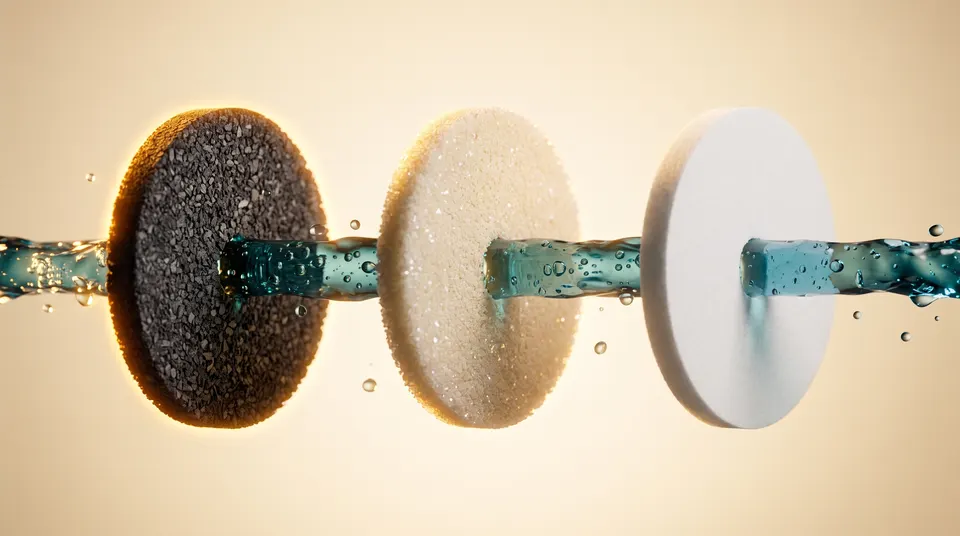
What BioChemGuard does, and what we can prove
BioChemGuard is Argonide NanoCeram PAC media. How electropositive filtration works, the maker's own media test figures, and what is not yet proven.
Read the guideThe prepper water gap: months of food, days of water
Most preparedness plans store months of food but only days of water. The math that reveals the gap — and how a renewable filtration layer closes it.
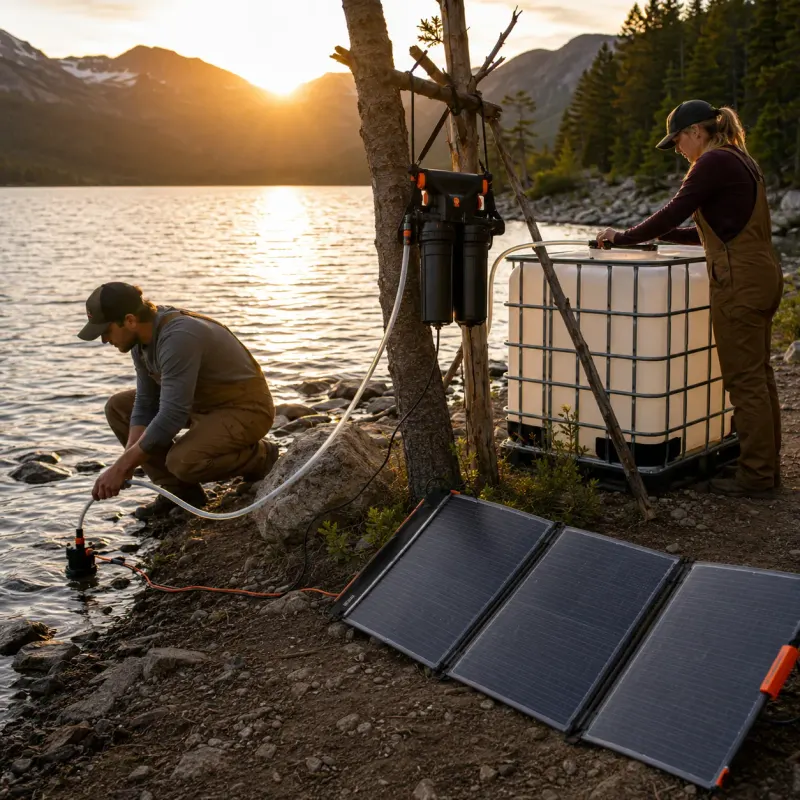 Preparedness
How to remove fluoride from water: what works and what doesn't
Reverse osmosis and distillation remove most fluoride; boiling, softeners and most carbon filters don't. Every method compared, with its trade-offs and sources.
 Fluoride
Does reverse osmosis remove fluoride?
Yes, most of it, along with calcium and magnesium. How the membrane works, what it costs in water and upkeep, and how to confirm your own unit.
 Fluoride
Distilled vs. reverse osmosis: which is better for drinking water?
Steam or membrane: what each removes and leaves, daily output, drain water, energy, taste and upkeep, plus where spring water fits.
 Buying Guide
What's really in Salt Lake City's tap water
The city's own 2026 report numbers for chlorine byproducts, arsenic and lead, set beside the legal limit and the EPA health goal.
 Salt Lake City
What is catalytic carbon filtration? The science behind cleaner water
The advanced carbon at the heart of our systems — what it removes that ordinary carbon can't, and why it beats RO on waste.
 Filtration Tech
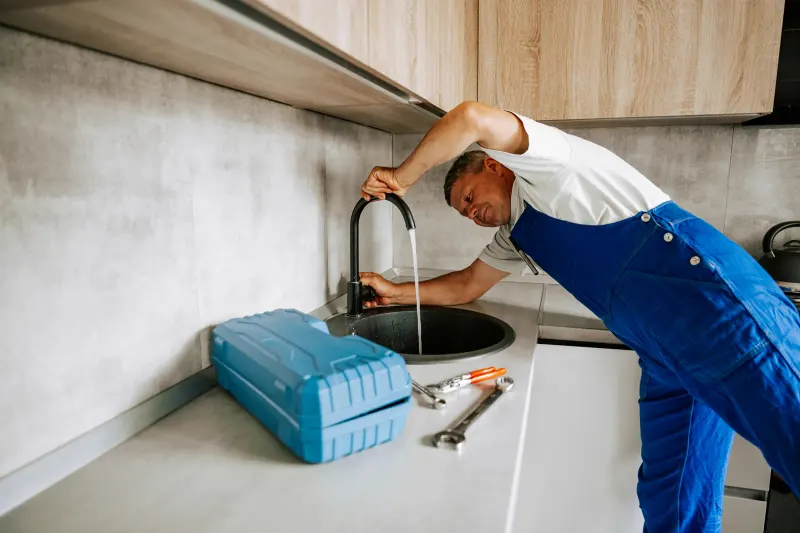
The 5-stage water filtration system, explained
What each stage does, what it removes, and why stage count matters — for the under-sink Wellness System.
 Filtration Tech
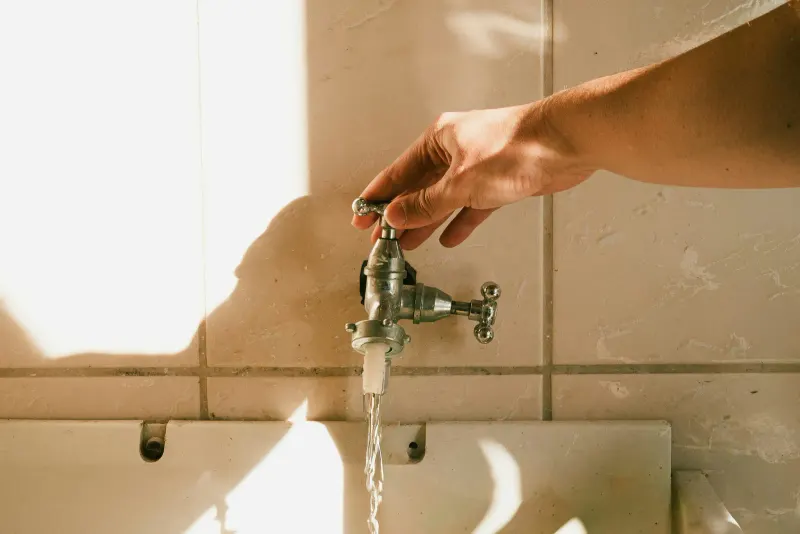
Chlorine vs. chloramine: what's in your water and how to remove it
They're not the same — and chloramine is the one cheap filters miss. Here's how to handle both.
 Water 101
Arsenic in drinking water: the silent risk and how to reduce it
Tasteless, odorless, and common in wells. How to find out if it's in your water and what actually removes it.
 Well Water
What's actually in your tap water?
City vs. well water, the contaminants worth caring about, and how to find out what's in yours.
 Water 101
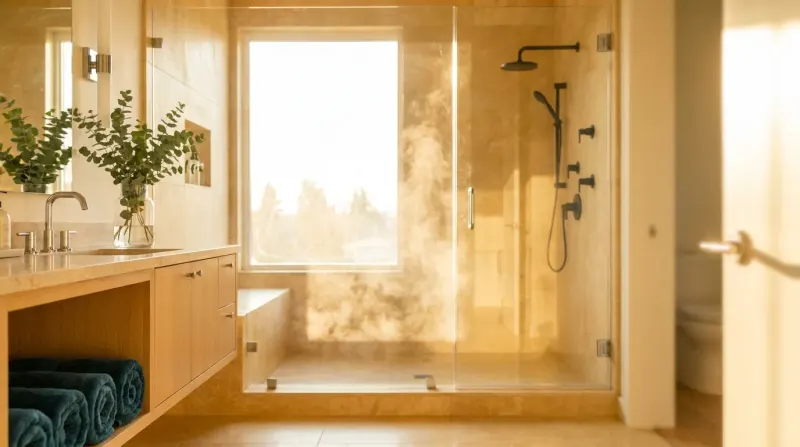
Whole-home vs. under-sink: which do you need?
The honest decision tree, including when you need both.
 Buying Guide
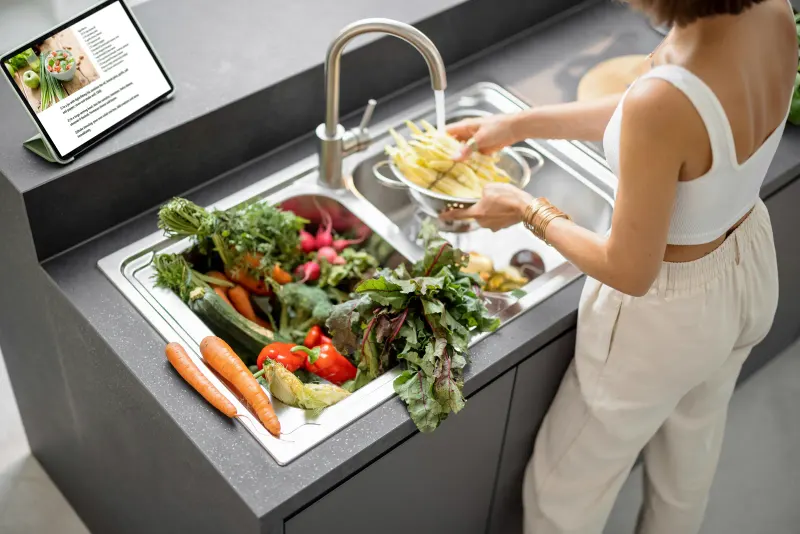
Reverse osmosis vs. carbon filtration: an honest comparison
Carbon and RO solve different problems. Here's how to decide — and when the answer is both.
 Buying Guide
Reverse osmosis water side effects: what the evidence actually shows
The WHO's own research on what reverse osmosis strips from your water — and what that means for your minerals, vitamins, and the food you cook.
 Water 101
Reverse osmosis with remineralization: is it worth it?
RO strips the minerals, so shoppers bolt on a stage to add them back. The honest comparison — add them back after RO, or choose a system that never removes them.
 Buying Guide
Is a reverse osmosis system worth it?
A genuinely balanced decision guide: when RO is worth it, the real costs, and how to decide — starting from regional water intelligence, not the technology.
 Buying Guide
Sentry H2O vs. RO and standard filters: the lab-backed comparison
We didn't argue we're better — we tested it. Real before-and-after numbers, then a side-by-side against reverse osmosis and standard carbon (including where RO wins).
 Buying Guide
Hard water and scale: what it really costs your home
Scale works quietly — on your energy bill and in repairs — long before you see a problem.
 Hard Water
How to read a water filter spec sheet
Micron ratings, stages and certifications — decoded once so you never have to again.
 Water 101
When and why to replace your water filter
Why a spent filter is worse than none, and how to build a schedule you'll actually keep.
 Ownership
Shower filters: do they really help your skin and hair?
An honest look at what shower filters can do, what they can't, and how to know if one is right.
 Home & Wellness
Is alkaline water worth it? A balanced look
A calm, evidence-grounded look at the hype, the research, and how to decide.
 Water 101
PFAS "forever chemicals": what they are and how to reduce them
Plain-English guide to PFAS in drinking water and the filtration options that actually work.
 Water 101
PFAS health effects: what "forever chemicals" do to your body
The documented health risks the EPA and ATSDR tie to long-term PFAS exposure — cancer, liver, immune, thyroid and developmental effects — and what actually reduces them.
 Water 101
Endocrine disruptors in your tap water: the hormone story nobody talks about
Men's testosterone and sperm counts have fallen for generations. One under-examined factor is what's in the water — here's the evidence, and what you can filter out.
 Water 101
Well water 101: iron, sulfur, and what to do
Orange stains = iron. Rotten-egg smell = sulfur. Both are fixable. Here's how.
 Well Water
Water for horses and livestock: why quality matters
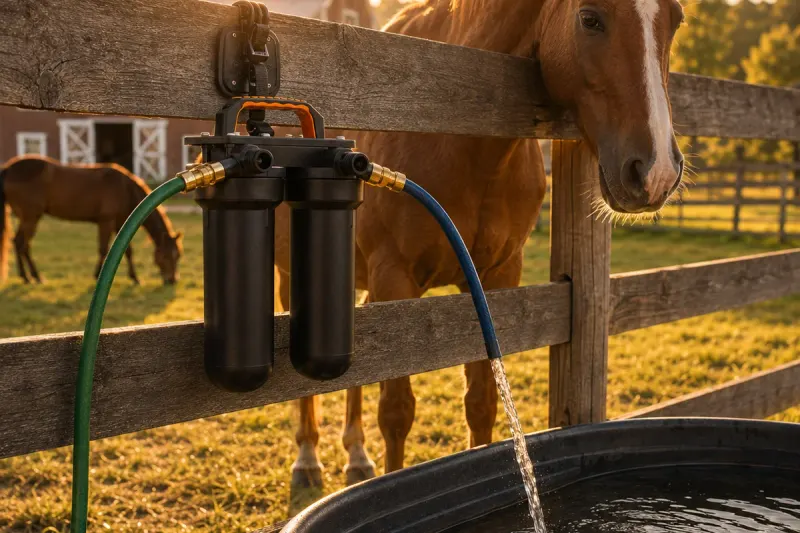
How water quality shapes intake, condition, and performance in barns and kennels.
 Animals
Is your water safe for baby formula? A parent's guide to testing and filtering
Lead, nitrates, PFAS and fluoride behave differently in a baby's body than in an adult's. What to check before you mix a bottle — on city water or a private well.
 Family & Infants
Lead in tap water and baby formula: what Salt Lake City parents need to know
Salt Lake City has an estimated 9,400 to 14,500 lead service lines still in the ground. Why that matters specifically for formula-fed infants, and how to check your own tap.
 Family & Infants
Well water and baby formula: nitrates, bacteria, and what to test for
Private wells carry no EPA oversight and no water report. What to test for before mixing formula on well water, and why nitrates matter specifically for infants.
 Family & Infants
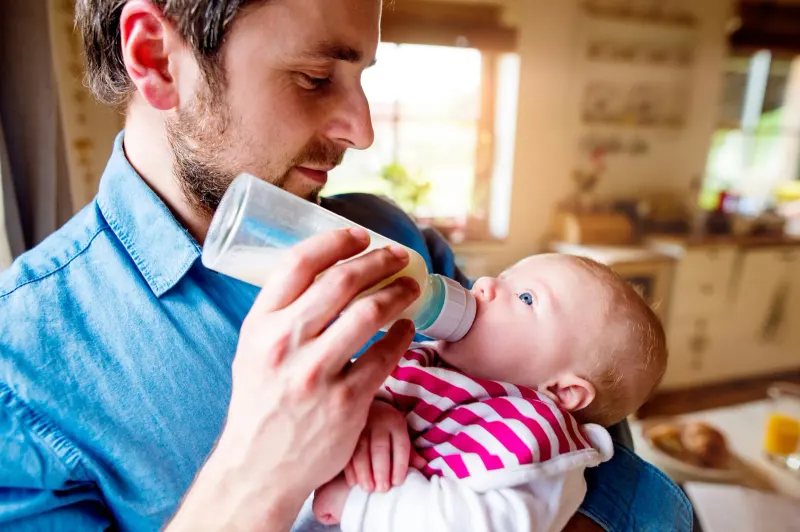
Does boiling tap water make it safe for baby formula?
Boiling kills some pathogens but does nothing for lead, nitrates, PFAS, or arsenic — and can slightly concentrate them. What boiling actually solves, and what it doesn't.
 Family & Infants
Health-related content publishes only with a named, credentialed author (YMYL guardrail).
Sources
Where a guide in this library makes a factual, health or regulatory claim, we cite the primary body that published it rather than a summary of it, and we link the page the claim actually came from. Where an article carries such claims, its sources are listed at the foot of that article. The bodies we rely on most:
[1] U.S. Environmental Protection Agency — Ground Water and Drinking Water. Federal drinking water standards, maximum contaminant levels and treatment guidance.
[2] U.S. EPA WaterSense — Point-of-Use Reverse Osmosis Systems. Water-efficiency figures for point-of-use RO, including reject-to-product ratios.
[3] U.S. EPA — Identifying Drinking Water Filters Certified to Reduce PFAS. What an NSF/ANSI 53 or 58 PFAS-reduction certification does and does not tell you.
[4] NSF — NSF/ANSI 58: Reverse Osmosis Drinking Water Treatment Systems. The published scope of the standard consumer filtration products are certified against.
[5] World Health Organization — Nutrients in Drinking Water (Geneva: WHO Press, 2005). WHO's expert review of demineralized water and mineral intake.
Where a claim rests on a manufacturer specification or on correspondence we hold on file rather than a public document, the article says so plainly instead of presenting it as an independent source. The external links on this page, and on the four reverse-osmosis and filter-maintenance guides, were re-verified on 2026-09-23; the rest of the library is being worked through article by article. Educational guidance only — not medical advice.